All Concerning Welding Inspection: Secret Conveniences for Your Tasks
Welding examination plays an essential duty in the construction and manufacturing sectors. It assures that welded joints satisfy quality and security criteria. By identifying flaws early, jobs can stay clear of financial losses and considerable hold-ups. Sticking to sector guidelines not just safeguards the honesty of the last product yet additionally constructs count on amongst stakeholders. Recognizing the subtleties of this process discloses fringe benefits that can affect task outcomes significantly. What are these benefits?
Understanding the Welding Assessment Refine
Although welding is an essential part in numerous industries, the examination procedure is vital to ensure quality and safety and security. This process involves a series of systematic assessments created to determine any type of potential issues that may jeopardize the stability of bonded joints. Assessors assess welding treatments and credentials to validate conformity with market criteria.
Following this, visual examinations are carried out to examine the general appearance and finish of welds. Non-destructive testing methods, such as ultrasonic or radiographic testing, may additionally be used to detect internal imperfections without damaging the material. Paperwork plays a critical duty, as it gives a record of findings and evaluations, validating traceability and responsibility.
Ultimately, comprehending the welding inspection procedure cultivates self-confidence in the top quality of the completed item, decreases the threat of failures, and improves overall task success in numerous applications, from construction to production. API 650 Welding Inspection.
Typical Sorts Of Welding Defects
Welding flaws can greatly affect the integrity and efficiency of bonded frameworks, as they may bring about failings under tension or adverse conditions. Typical sorts of welding flaws consist of splits, porosity, insufficient fusion, and slag incorporation. Cracks can create due to thermal tensions or improper air conditioning, jeopardizing the joint's stamina. Porosity describes the presence of gas bubbles trapped in the weld, which can compromise the joint and reduce ductility. Incomplete combination happens when the weld steel does not correctly bond with the base product, leading to weak points. Slag inclusion occurs when non-metallic pollutants come to be trapped within the weld, leading to a decrease in architectural honesty. Determining these issues early through assessment is essential for preserving top quality and making certain security in bonded frameworks. Comprehending these common flaws enables improved welding methods and enhanced project results.
Importance of Conformity With Industry Specifications
Conformity with market criteria is necessary for preserving architectural integrity in welding projects. Adhering to these criteria not just mitigates responsibility threats yet additionally boosts the general top quality of the completed job. This positioning cultivates count on amongst stakeholders and warranties that forecasts satisfy both security and efficiency assumptions.
Ensuring Architectural Stability
Guaranteeing architectural integrity is critical in any type of building or manufacturing task, as adherence to market criteria acts as a structure for security and reliability. Compliance with these requirements warranties that welding refines satisfy extensive specs, which is crucial for the sturdiness of structures. Normal welding assessments confirm that materials and methods line up with developed guidelines, stopping potential failures that could compromise stability. Furthermore, following sector requirements advertises uniformity in quality, which is essential for maintaining public trust in building and construction practices. By prioritizing architectural stability via diligent adherence to criteria, companies can boost the general performance of their projects, leading to much safer settings and long term property life-spans. Inevitably, this dedication reflects an aggressive technique to quality guarantee in welding methods.
Lowering Obligation Dangers
Following sector standards substantially minimizes obligation threats associated with welding projects. Compliance with established standards assurances that welds satisfy security and performance standards, decreasing the probability of failures that could cause accidents or litigation. This aggressive technique not only protects the labor force yet additionally safeguards the financial interests of the business. Insufficient inspections or low quality practices can lead to costly fixings, legal disputes, and damage to reputation. By executing strenuous welding examinations, business demonstrate their dedication to top quality and safety and security, ultimately minimizing direct exposure to prospective claims. On top of that, adherence to policies reinforces count on among customers and stakeholders, as it indicates a dedication to keeping high criteria throughout the task lifecycle. Lowering obligation threats is necessary for long-lasting company sustainability.
Enhancing Task Top Quality
Extensive welding assessments not only mitigate responsibility threats however also play a critical role in improving general job quality. By adhering to market criteria, these inspections assure that welds satisfy specified standards for resilience, stamina, and security. Compliance with established standards aids determine defects early, reducing the possibility of pricey rework or project hold-ups. In addition, regular quality assurance cultivates count on among stakeholders, consisting of customers and regulatory bodies, which can lead to repeat company and favorable recommendations. Ultimately, a commitment to top quality welding practices not just enhances the honesty of the end product however also upholds the online reputation of the company included. Thorough assessments offer as a foundation for lasting and successful project end results.
Effective Benefits of Early Discovery of Concerns
Early detection of welding issues supplies significant advantages, specifically regarding price financial savings on repairs. By identifying problems prior to they rise, organizations can boost the structural integrity of their jobs. This proactive approach not only reduces financial expenditures yet likewise promotes security and dependability in welded frameworks.
Cost Savings on Fixes
Finding welding problems quickly can bring about significant price financial savings on repair services. Early identification of defects permits targeted interventions, reducing the level of damage and stopping pricey, comprehensive fixings later. When problems are resolved during the first stages of a job, sources are used more effectively, decreasing both labor and material expenses. Furthermore, timely inspections can avoid job hold-ups, which often incur added costs. By correcting problems early, firms can avoid the financial problem connected with rework, service warranty cases, and potential security dangers. Inevitably, spending in positive welding assessments promotes a more cost-effective technique to project administration, guaranteeing that budgets continue to be undamaged while keeping the high quality and reliability of the last product.
Improved Architectural Integrity
Ensuring the structural integrity of bonded elements rests on the timely recognition of prospective concerns. Early discovery throughout the welding evaluation process allows for the prompt correction of defects such as fractures, gaps, or incorrect combination. Attending to these concerns immediately not only enhances the stamina and toughness of the weld but likewise minimizes the risk of tragic failures during the service life of internet the framework. Routine examinations add to a much more trusted evaluation of weld quality, ensuring compliance with industry criteria. By focusing on welding assessments, task supervisors can keep a higher level of security and efficiency, eventually have a peek at this site resulting in successful project end results. Boosted architectural integrity mirrors the dedication to high quality and adherence to ideal techniques in welding.
Cost-Effectiveness of Welding Inspections
While many firms might see welding inspections as an extra expenditure, they typically show to be an affordable financial investment in the long run. By identifying flaws early, these assessments can stop expensive repairs or substitutes that may arise from undetected concerns. This proactive approach not only conserves money but additionally minimizes project delays, ensuring that timelines are stuck to.

Furthermore, high-quality welding examinations contribute to enhanced efficiency, causing less rework circumstances and enhanced productivity. The decrease in product waste and labor expenses connected with redesigning faulty welds contributes to the financial advantages.
Investing in comprehensive examinations likewise boosts the general high quality of the end product, which can cause raised client fulfillment and repeat service. Inevitably, the preliminary prices linked with welding examinations are frequently surpassed by the lasting savings and benefits they provide, making them a smart option for any welding job.
Enhancing Safety and Dependability in Welding Projects
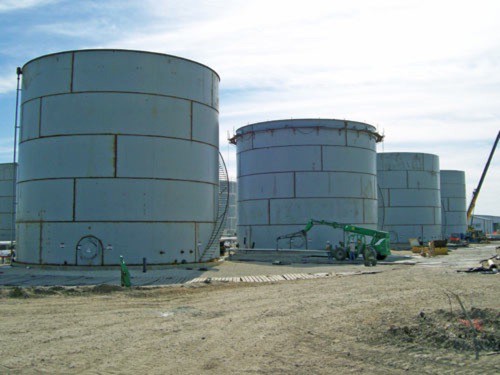
Welding examinations play an essential function in enhancing safety and reliability within welding projects, as they methodically recognize prospective threats and weaknesses in welds. By using certified inspectors, companies can guarantee that welding processes adhere to industry criteria and regulatory demands. This proactive method decreases the risk of weld failures, which can bring about accidents, expensive repair services, and job delays.
Moreover, evaluations offer crucial paperwork that confirms compliance and quality assurance, cultivating trust fund in between stakeholders. Regular assessments throughout numerous job stages enable the prompt detection of concerns, making it possible for restorative activities prior to they rise. Additionally, the understandings acquired from examinations add to continual renovation in welding practices, boosting total job end results. Ultimately, durable welding inspection procedures not only shield workers however additionally guard financial investments, guaranteeing that projects are completed successfully and satisfy the highest possible security and dependability standards.
Regularly Asked Questions
What Qualifications Should a Welding Inspector Have?
A welding assessor ought to possess appropriate certifications, such as Licensed Welding Examiner (CWI), together with substantial understanding of welding codes, procedures, and materials. API 650 Welding Inspection. Experience in the area and solid analytical skills are also important for efficient inspections
Just How Frequently Should Welding Inspections Be Conducted?
Welding inspections must be conducted on a regular basis, generally in the past, during, and after the welding process. The regularity may depend on go to website task requirements, regulative needs, and the intricacy of the welds to assure architectural integrity and safety and security.
Can Welding Inspections Be Performed From Another Location?
Welding evaluations can indeed be executed remotely, utilizing sophisticated innovations such as drones, electronic cameras, and ultrasonic screening devices - API 650 Welding Inspection. This technique permits effective monitoring while decreasing the requirement for physical existence at the site
What Devices Are Used in Welding Inspections?
Welding inspections use various devices, consisting of ultrasonic testers, magnetic fragment testers, visual assessment devices, radiographic devices, and calipers. Each device offers a details function to assure weld stability, high quality, and compliance with sector criteria.
Exactly how Do I Pick a Welding Assessment Service?

To select a welding evaluation service, one need to evaluate credentials, experience, and qualifications. Furthermore, assessing customer endorsements and asking for detailed service descriptions can aid guarantee the chosen service satisfies details job needs successfully.
By prioritizing welding assessments, job managers can keep a greater degree of safety and efficiency, inevitably leading to effective task results. Welding evaluations play a vital duty in boosting safety and security and reliability within welding tasks, as they systematically determine possible risks and weak points in welds. A welding assessor must have pertinent certifications, such as Licensed Welding Assessor (CWI), along with considerable understanding of welding products, codes, and processes. Welding evaluations must be performed regularly, usually in the past, during, and after the welding process. Welding inspections use numerous devices, including ultrasonic testers, magnetic fragment testers, aesthetic evaluation devices, radiographic devices, and calipers.